IP2 Network Explained for Secure Connectivity
The IP2 Network represents a decentralized communication layer built to give users direct control over their data, identity and online interactions.
Instead of relying on centralized servers, it connects devices through encrypted peer to peer channels that distribute responsibility across the network. This structure reduces reliance on corporate platforms and lowers the risks tied to single points of failure.
As digital privacy concerns continue to grow, the IP2 Network is gaining attention among users who value anonymity, censorship resistance, and data sovereignty.
A digital infrastructure built around peer connectivity
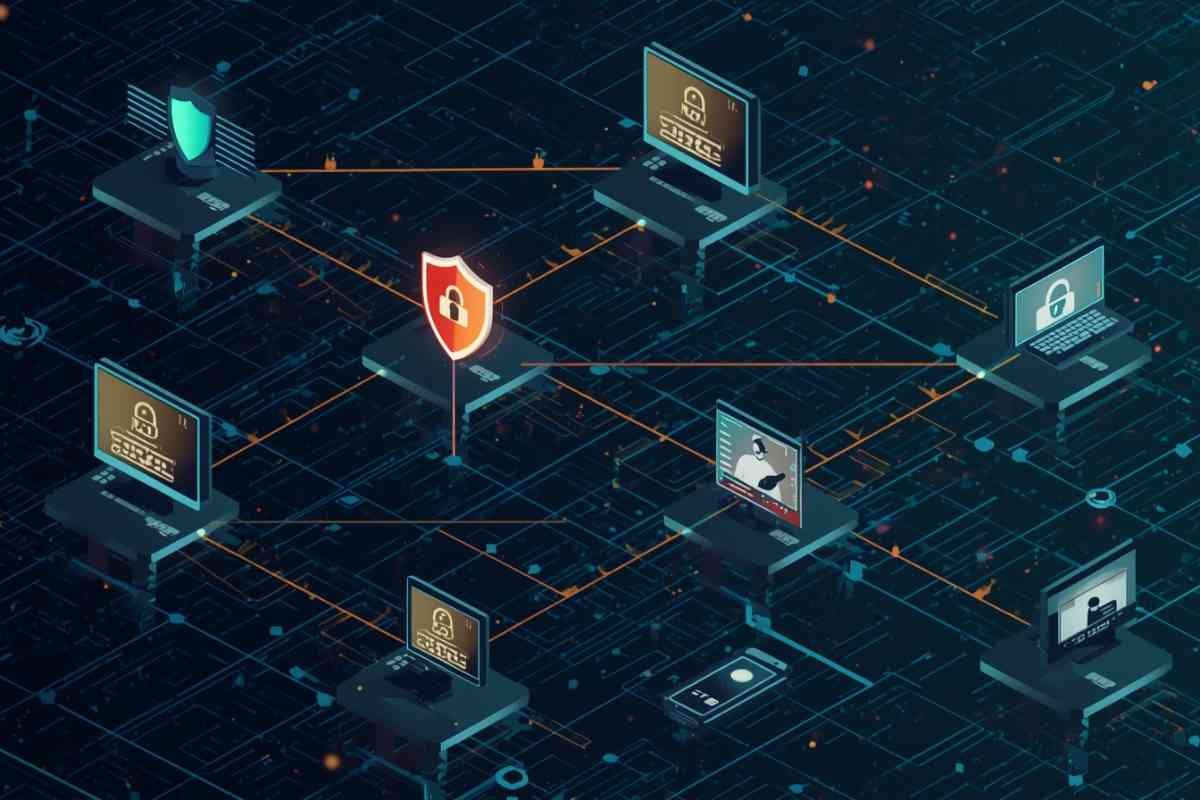
At its foundation, IP2 operates as a peer to peer network where every connected device functions as both a client and a server. Data travels through a distributed mesh rather than passing through centralized hubs. This architecture makes the system more resilient because there is no central authority controlling traffic or storing user information.
In traditional internet models, communication often flows through large data centers owned by service providers. That creates vulnerability. If one major provider fails or is compromised, millions of users are affected. A decentralized network like IP2 distributes traffic across nodes, reducing the impact of outages or targeted attacks.
Encryption woven into every layer of communication
Security within IP2 is not treated as an optional feature. Encryption is embedded directly into the communication structure. Messages and data packets travel through encrypted tunnels, making interception significantly more difficult.
This approach differs from standard browsing where encryption often depends on specific applications or HTTPS connections. Within IP2, the encryption layer is fundamental. Even file transfers or direct peer messaging occur within protected channels, helping preserve anonymity and confidentiality.
Routing without centralized gatekeepers
Traffic routing inside IP2 relies on dynamic path selection across multiple nodes. Instead of a fixed route controlled by a central authority, data can move through various peer pathways. This flexibility increases resilience and reduces traceability.
For example, if a user shares a file with another peer, the data may travel across several intermediary nodes. Each step adds an additional layer of privacy, similar in spirit to onion routing, yet structured within a peer mesh rather than a centralized relay network.
Practical uses emerging from decentralized design
IP2 supports several real world applications that appeal to privacy conscious users. Encrypted messaging platforms built on IP2 allow individuals to communicate without exposing metadata to large corporations. Developers are also experimenting with decentralized social networks that operate beyond traditional moderation frameworks.
Anonymous web browsing is another use case. While not identical to tools like Tor, the IP2 structure allows users to access web content through peer based tunnels that obscure IP addresses. File sharing through P2P overlays also becomes more private when traffic remains inside the decentralized environment.
For journalists working in restrictive regions or developers testing distributed applications, this model offers an alternative to centralized infrastructure.
Technical layers that keep the system running
Behind the scenes, the IP2 Network depends on node based architecture, encrypted tunnels, and adaptive routing protocols. Each device joining the network contributes bandwidth and computational resources. That shared responsibility is central to its scalability and resilience.
Mesh topology allows traffic to reroute automatically when nodes disconnect. This makes the network resistant to censorship attempts that rely on blocking specific servers or domains. If one path becomes unavailable, another can take its place.
Integration with broader decentralized ecosystems
The growth of Web3 technologies has created natural alignment with IP2. Projects focused on decentralized finance, distributed storage, and blockchain governance benefit from peer based connectivity. Instead of routing data through centralized cloud providers, developers can experiment with direct peer tunnels.
Decentralized identity systems also complement this structure. When identity verification and communication both occur in distributed environments, users maintain stronger ownership over their digital presence.
This integration potential positions IP2 as more than a privacy tool. It becomes part of a broader decentralized internet movement.
Performance realities in a distributed environment
Speed and latency in IP2 depend on network participation and routing efficiency. Unlike traditional VPN services that often operate on high capacity servers, peer based systems rely on the collective strength of connected nodes.
In practice, performance can be stable for messaging and moderate file sharing. Heavy streaming or high bandwidth tasks may experience slower speeds depending on node availability. As adoption grows, performance improvements are expected through better routing algorithms and stronger participation.
Ease of use and the path toward mainstream adoption
One of the most significant challenges facing IP2 is usability. Setting up routers, tunnels, or P2P clients may feel technical for average users. Early adopters often include developers, privacy advocates and technically inclined individuals.
However, graphical interfaces and simplified router applications are gradually reducing the learning curve. As decentralized tools become more intuitive, broader adoption becomes realistic.
User experience improvements remain essential if IP2 is to compete with mainstream VPN services and privacy apps.
Security considerations beyond encryption
While encryption strengthens confidentiality, security also depends on user practices. Misconfigured nodes, outdated software or weak device security can introduce vulnerabilities.
Users should combine IP2 usage with safe browsing habits, updated operating systems, and strong endpoint protection. No decentralized network alone guarantees absolute protection. Layered security practices remain important.
Legal and regulatory dimensions to keep in mind
Decentralized networks often raise regulatory questions. Using IP2 for private communication is not inherently illegal in most regions, but activities conducted through any network must comply with local laws.
Some governments restrict or monitor peer to peer systems more closely than centralized platforms. Users operating in sensitive environments should understand their regional regulations before deploying decentralized tools.
Transparency about responsible use strengthens long term legitimacy.
Comparing decentralized privacy tools in today’s landscape
IP2 frequently enters conversations alongside VPN services and anonymity networks like Tor. VPNs encrypt traffic but rely on central providers that can log user activity. Tor distributes traffic through volunteer relays, focusing heavily on anonymity.
IP2 blends decentralization with direct peer routing. It removes central server dependency while maintaining encrypted communication paths. The experience may differ from VPN simplicity or Tor’s structured relay network, but it offers a middle ground for users seeking distributed privacy without centralized oversight.
Community driven development shaping the future
Open source collaboration plays a critical role in IP2 progress. Developers contribute code improvements, test routing enhancements and refine encryption mechanisms. This community model increases transparency and allows independent review of security practices.
As decentralized internet infrastructure evolves, ongoing peer review strengthens trust. Public repositories and collaborative forums provide visibility into development directions and potential risks.
Expanding toward mobile and connected devices
Future development aims to extend IP2 compatibility to smartphones and Internet of Things devices. Secure peer connectivity across mobile environments would broaden real world adoption.
IoT integration introduces additional complexity. Lightweight routing protocols and efficient encryption must operate within limited device resources. Ongoing research continues to refine these areas.
Growing demand for private digital spaces
Public awareness around data harvesting, surveillance, and centralized control continues to rise. Users increasingly search for alternatives that protect autonomy and identity. The IP2 Network reflects that demand for distributed digital spaces.
Small communities, independent developers, and privacy focused organizations often experiment with decentralized communication layers before mainstream adoption occurs. Over time, these experiments influence broader technology trends.
Balancing promise with practical limitations
IP2 offers meaningful advantages in decentralization and encrypted communication. At the same time, challenges remain in scalability, user experience, and public awareness. Adoption requires both technical refinement and educational outreach.
As the digital landscape shifts toward distributed systems, IP2 stands as one example of how peer to peer infrastructure can reshape connectivity. Its long term success depends on usability improvements, security transparency and responsible implementation.
For users exploring alternatives to centralized platforms, IP2 presents a pathway rooted in distributed trust rather than corporate control.
Conclusion
The IP2 Network is built to give users more control by replacing centralized servers with encrypted peer connections. It supports private communication, censorship resistance, and decentralized data sharing.
While it offers strong privacy benefits, it still faces challenges like usability and scalability. As interest in digital autonomy grows, IP2 represents a step toward a more distributed and user controlled internet.
FAQs
Is IP2 Network safe for everyday browsing?
It can add a strong layer of privacy through encryption and peer routing. Still, safety also depends on your device security and how responsibly you use the network.
Do I need technical skills to use IP2 Network?
Basic setup may feel technical at first, especially when configuring routers or tunnels. With modern tools and guides, most users can manage it with patience and careful setup.
Can this replace my VPN completely?
Not always. VPNs are easier for quick protection on public WiFi, while decentralized networks focus more on peer connectivity and censorship resistance. Some people use both for layered privacy.
Will my internet speed drop?
Speed can vary because traffic moves through multiple nodes instead of a single fast server. Messaging and light browsing usually work fine, but heavy streaming may feel slower.
Is using a decentralized network legal?
In most places, using privacy focused tools is legal. What matters is how you use them, since any illegal activity remains illegal regardless of the network.